Preventing Fire Damage in Dayton Homes: Seasonal Safety Checklist
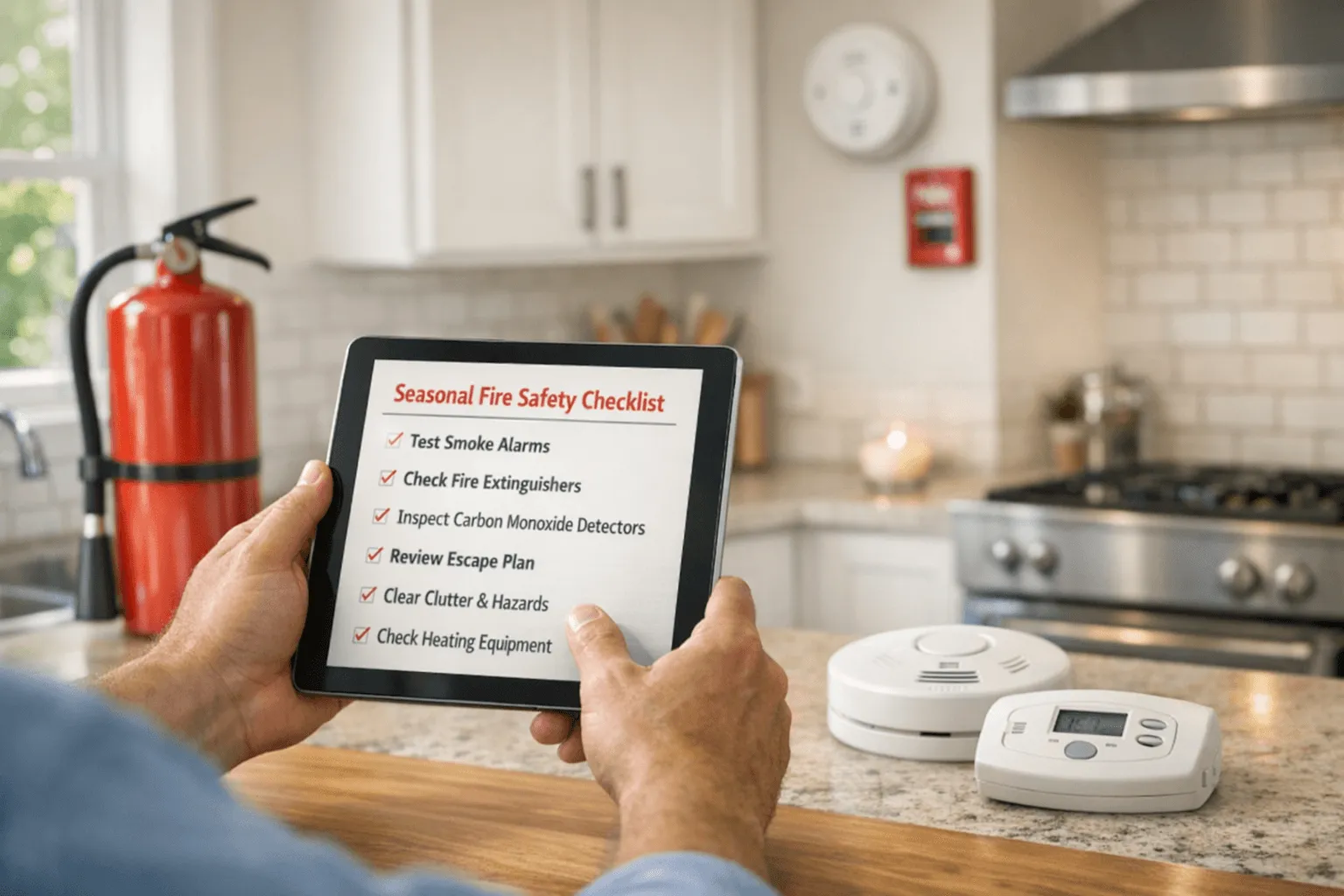
Every year, countless Dayton families face the upheaval of fire_damage. The causes may shift with the seasons, but the impact always feels the same: overwhelming, disruptive, and deeply personal. At Dayton Ohio Fire Damage, we know how quickly disaster can strike—and how small, proactive steps can make all the difference.
This guide is designed specifically for Dayton homeowners. We’ll walk through the most common seasonal risks, share practical steps to protect your home, and outline when it’s time to call in professionals (like our 24-Hour Service in Dayton, OH).
Seasonal Fire Risks in Dayton 🔥
Dayton’s climate brings its own set of fire dangers. According to the Ohio Department of Commerce Division of State Fire Marshal, most residential fires here start from:
- Cooking accidents
- Heating equipment malfunctions
- Electrical problems
- Holiday decorations
- Storm-related power surges
Winter: Cold snaps lead to increased use of space heaters and fireplaces. Blocked chimneys or overloaded circuits can spark trouble fast.
Spring: Heavy storms can down power lines or stress aging wiring. Wet basements may hide electrical risks.
Summer: Lightning strikes and grill mishaps are more common. Outdoor debris and dry spells can turn a spark into a blaze.
Fall: Leaves pile up near vents and gutters, while home heating systems get their first workout of the year.
Each season brings its own “troublemakers.” Awareness is the first shield.
Essential Home Fire Safety Upgrades 🛠
A house is only as safe as its weakest link. Start with these upgrades:
- Install smoke and carbon monoxide detectors in every bedroom, hallway, and on every floor. Test monthly and replace batteries twice a year.
- Upgrade electrical panels if your home is older or circuits trip often.
- Replace worn extension cords and avoid running cords under rugs.
- Switch to LED holiday lights; they run cooler and use less energy.
- Add fire extinguishers—at least one on each floor, plus one in the kitchen and garage.
- Have a licensed professional inspect your heating system every fall.
Refer to the National Fire Protection Association (NFPA) and local Dayton building codes for more guidance.
Routine Maintenance and Inspections 🕒
Smart homeowners treat safety like brushing their teeth: routine, non-negotiable, and life-saving.
- Monthly: Test smoke and CO alarms. Check fire extinguisher pressure.
- Quarterly: Clean lint from dryer vents. Sweep out fireplace ashes after use.
- Biannually: Clear gutters and remove leaves from around the foundation.
- Annually: Schedule chimney cleaning and heating system checkup.
- Before major holidays: Inspect holiday lights, electrical cords, and decorations.
Don’t forget the garage and basement. Flammable liquids, paint cans, and gas cans need cool, dry storage—never near pilot lights or heaters.
When to Seek Professional Help 🧑🔧
Some problems hide in plain sight. If you notice:
- Persistent burning smells or unexplained electrical flickers
- Discolored or hot wall outlets
- Water stains near electrical panels
- Rusting or noisy heating equipment
… it’s time to call experienced help. Our damage assessment can pinpoint hidden dangers before they spiral out of control.
How Environmental Services Support Prevention
Dayton homes sometimes suffer from lingering smoke, mold, or water after a fire or near-miss. That’s where environmental services step in.
We handle:
- Odor removal
- Soot cleaning
- Mold remediation after water extraction
- Air quality monitoring
This goes beyond surface cleaning. It’s about restoring your home’s safety—inside and out.
Structural Stabilization: More Than Bricks and Beams
After fire_damage, even small, hidden cracks can weaken your home. Our structural stabilization ensures your family’s safety from the foundation up—especially after severe storms or fire events.
Quick Safety Checklist
- Test all smoke and CO detectors monthly
- Clear flammable debris from gutters and around the home
- Keep combustibles away from heaters, stoves, and electrical outlets
- Have heating and electrical systems checked yearly
- Store flammable liquids in original containers, far from heat sources
- Use surge protectors for electronics, especially during storm season
- Never leave cooking unattended—even briefly
- Create and practice a family fire escape plan
Frequently Asked Questions
How often should I replace smoke detectors?
NFPA recommends replacing smoke detectors every 10 years—even if they seem to work.
What’s the best way to store gasoline and paint?
Store in original, sealed containers. Keep them outside the living areas, away from all heat sources.
Are space heaters safe?
They can be, but only if kept at least three feet from anything flammable and never left running unattended.
Do I really need a professional fire risk assessment?
DIY checks are important, but professionals can spot hidden wiring, structural, or environmental hazards you might miss.
Local and Seasonal Considerations
Dayton’s older housing stock often means outdated wiring or insulation. Many neighborhoods have mature trees—great for shade, risky for downed lines in storms. Heavy winter snows can stress roofs and chimneys.
After severe weather, always check your home for visible and hidden damage. Schedule professional inspections if you’re unsure.
Related Services
For total peace of mind, our damage assessment pinpoints risks before trouble starts. Need odor or mold cleanup? Learn more about our environmental services.
Thinking ahead saves more than money—it protects what matters most. For 24-Hour Service in Dayton, OH, and fast, thorough fire_damage response, Call Dayton Ohio Fire Damage now — or reach us anytime at (937) 858-5547 .